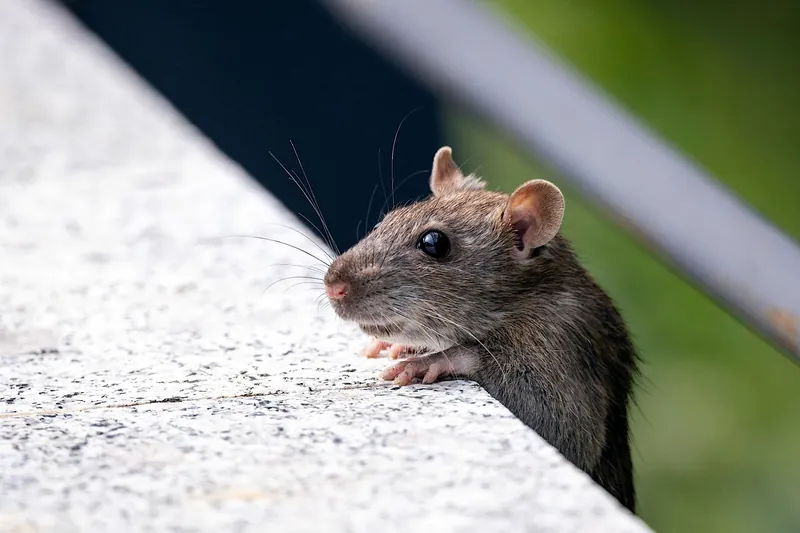
Rodent Droppings and Hantavirus Cleanup
Cleanup addresses hantavirus and droppings from rodents in basements, attics and crawl spaces.
See rodent droppings and hantavirus cleanupGet a dead animal located and removed from a wall, attic, vent, crawl space, home or business in Fairland, followed by cleaning and odor treatment at the source.
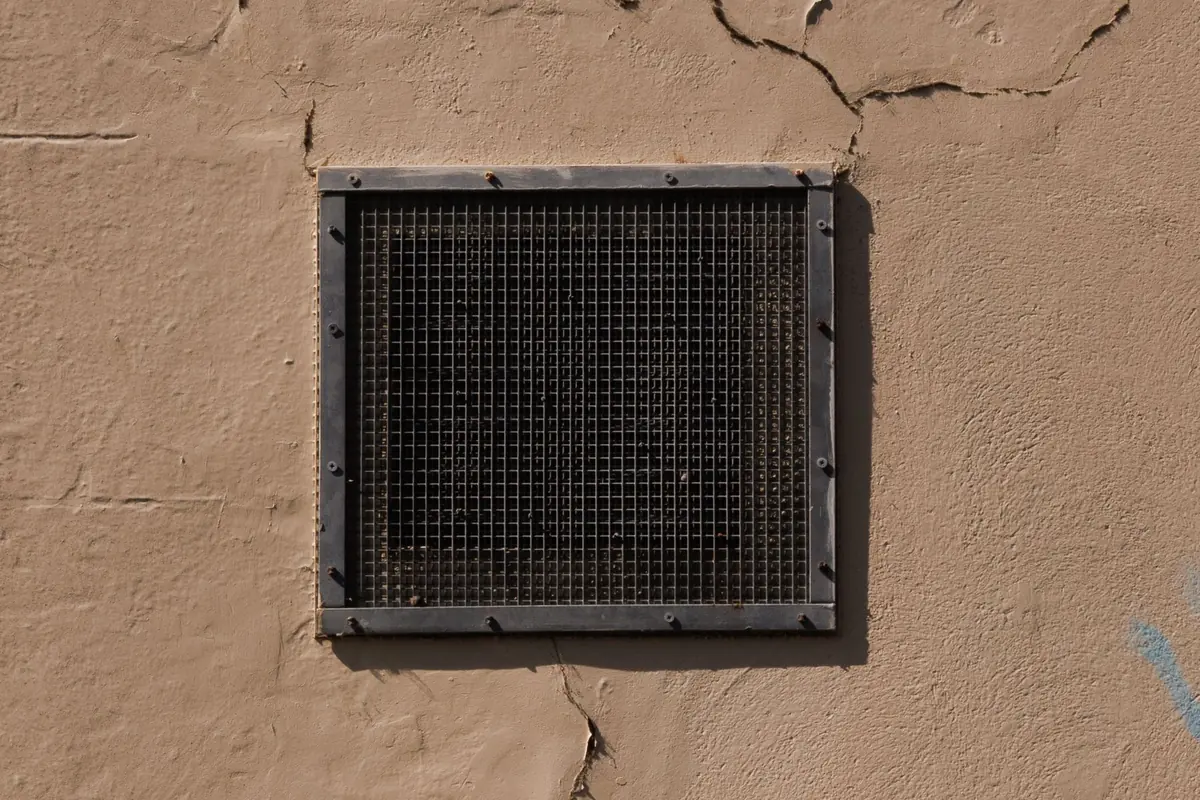
Dead animal removal and cleanup involves locating the animal, reaching and removing it, cleaning affected areas, treating contamination and reducing odor at the source.
The source may be easy to see outdoors or inside a room, yet animals are often concealed under flooring, in ducts, beneath insulation or beyond drywall. The search should pinpoint the area while leaving as much of the building closed as possible. Reaching it can be straightforward, though a limited wall, cabinet or ceiling section sometimes must be opened.
Further cleanup can be necessary after removal because decomposition fluid can soak into porous materials such as insulation or wood. An inspection looks for residue that remains. Contaminated items may be taken out. Hard surfaces that can stay are cleaned, and an EPA-registered disinfectant remains on them for the label's entire contact time. Only after source removal, cleaning and drying does odor treatment begin.
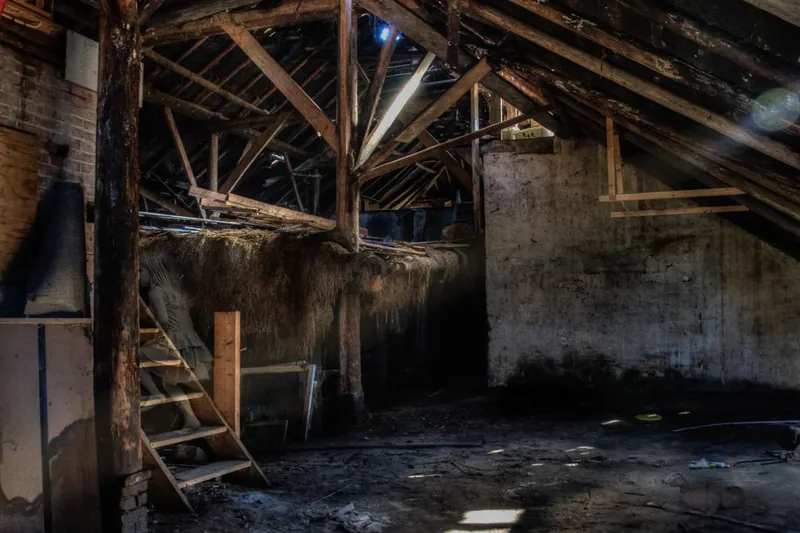
You learn the plan for locating the source, opening surfaces if needed and removing affected materials, so you understand every step before authorizing the work.
Photos and notes can show the affected area, contaminated material removed and repairs left for your restoration contractor or insurance company.
Calls receive an answer day and night, while unmarked vehicles help keep the visit private at your home, business or rental.
Any necessary access area is kept practical and small, and personal property nearby is moved out or covered.
You may need dead animal cleaning when persistent odor, insects or stains point to an area you cannot reach or clean safely. Because each location affects access and cleanup, the plan must fit the situation. Common examples include:
Animal remains may be discovered with nest material or soiled stored items inside a utility area, shed or garage.
Source removal should be documented for the property manager or landlord, along with cleaning records and details about any removed building material.
Beneath the home, limited clearance, insulation and soil can make it hard to reach the animal safely.
The HVAC system can carry the smell, so the animal may not be near the room where you notice the odor.
Your immediate steps can prevent contact and help keep odor in the affected space. Before technicians arrive for cleanup:
Call (888) 440-9227Bob Vila and HomeAdvisor describe the typical dead animal removal range as $150 to $250. Removal is what that figure covers. Wall access, disposal of contaminated material and odor treatment can add to the job, while the affected area and ease of access determine its final price.
Published national cost guides are the source for these ranges, rather than an inspection of your property. You learn what your property will cost after the on-site assessment and before any work begins.
Ask about cost: (888) 440-9227Your policy terms and the cause of the damage determine whether coverage applies. Because insurers may view animal removal, odor cleanup and damaged building materials differently, check each item before starting work when possible.
Payment usually falls to the owner when insurance does not apply. If structural access may be needed, report the problem to your landlord before authorizing it.
Your insurance company can identify required records and photos, then explain whether restoration services and work on odor, access, contaminated insulation and carcass removal are covered.
While certain policies do not cover damage from animals or pests, they might treat a covered opening or sudden incident another way. Discuss each portion of cleanup separately.
A landlord usually arranges work involving walls, attics, common areas or building systems, but the lease and local rules can affect responsibility.
A dead animal remediation job proceeds in order. The source is located, safe access is made, and the animal plus affected materials are removed. The area is then cleaned, odor is treated and each step is documented.
An inspection of possible entry points, nearby cavities, vents, staining, insects and the main odor area takes place before technicians open a surface.
For the affected area, crews select suitable respiratory equipment, gloves and clothing, then move or cover nearby belongings.
When the source cannot be seen, access may require removing a vent cover or making a small opening through a cabinet, ceiling or wall.
After careful lifting with as little handling as possible, the animal is sealed and carried out without contact with clean surfaces.
Affected insulation, padding or cardboard and damaged drywall are sorted from materials that can be cleaned and kept.
After hard surfaces are cleaned, an EPA-registered disinfectant stays on them for the complete label contact time.
Appropriate odor treatment, HEPA air filtration and ventilation follow the removal of both the animal and affected materials.
After a check for residue and odor, you receive repair details for any wall, insulation or finish, helping you move forward.
Call any hour. A specialist in dead animal removal and cleanup takes your call, explains each step and agrees on a start time with you.
A dead animal can leave bacteria, bodily fluids, insects and strong odor in an affected area, so direct contact and dry sweeping should be avoided.
Keep animal remains and contaminated fluids away from your mouth, eyes and any breaks in your skin. Wash any exposed skin and get medical advice after a bite, scratch or direct contact.
You may find contaminated insulation, nest material and droppings around the animal. Sweeping or vacuuming the material while dry can make dust airborne and should be avoided.
Insulation, drywall, soil and unfinished wood can absorb body fluids. If you stop at surface cleaning, contaminated materials and odor can remain.
Can you clean it yourself? When you can reach a small animal outside without entering any confined space, prevent pet access and use the directions issued by local animal control or sanitation. Call for professional cleanup when the animal is hidden, the species is unknown, fluids reached porous material or you cannot avoid direct contact.
A single visit may be enough to remove an accessible animal and clean the space. More time is needed if its location is unclear, access requires opening a wall or porous material continues to hold odor.
| Scene | Typical time on site |
|---|---|
| Accessible area with the animal in view | Often completed in one visit |
| Remains located inside an attic, wall or crawl area | Determined by the location and difficulty of safe entry |
| Contamination with building material removal | Cleanup may be followed by a separate visit for repairs |
Finding the animal and taking it out is the starting point for dead animal odor removal. An air freshener, room fragrance or bleach may briefly hide the smell. It cannot clean contamination beneath insulation or inside a wall.
After the animal and contaminated materials are gone, hard surfaces are cleaned and the space is dried. HEPA air filtration and targeted odor treatment can improve air quality. A vent, wall cavity or crawl space is checked again if odor persists, because a missed patch of soiled material can keep releasing odor.
The animal species and your location can change the disposal rules. The proper choice depends on guidance from local public health, sanitation or animal control officials.
A disinfectant should be registered by the EPA for its intended use and remain wet for the full contact time on the product label.
Virginia calls materials contaminated with human blood or body fluids regulated medical waste. The Virginia Waste Management Board's rules, administered by the Department of Environmental Quality, control packing, transport and treatment, so it cannot go in household trash.
Local health and building rules can affect how a contaminated room is cleaned and when it can be used again, so mention any notice you have received from the city or county.
The full dead animal removal and cleanup guide covers what is cleaned or removed, odor and air quality work, and the rules that apply in Virginia and Roanoke City.
Read the full dead animal removal and cleanup guide
Containment, entry and cleanup plans can be influenced by local housing, population and access details.
For an injury during discovery, Carilion Medical Center is the nearest listed hospital at approximately 5.0 miles away.
The nearby places of Sanford Hill, Swarthmore Place, and Intervale give useful orientation when arranging equipment delivery and waste pickup.
Neighborhood level directions help narrow the location, but crews still need entrance details before bringing containment and cleaning equipment inside.
Your phone conversation can include questions about service in nearby ZIP codes and communities.
Cleanup addresses hantavirus and droppings from rodents in basements, attics and crawl spaces.
See rodent droppings and hantavirus cleanup
Bird and bat droppings are cleaned from structures and attics, followed by disinfection.
See bird and bat guano cleanup
Animal hoarding cleanup addresses waste, urine-soaked materials and odors caused by ammonia.
See animal hoarding cleanup
At the source, death odor removal uses air scrubbers plus hydroxyl and ozone treatment.
See death odor removal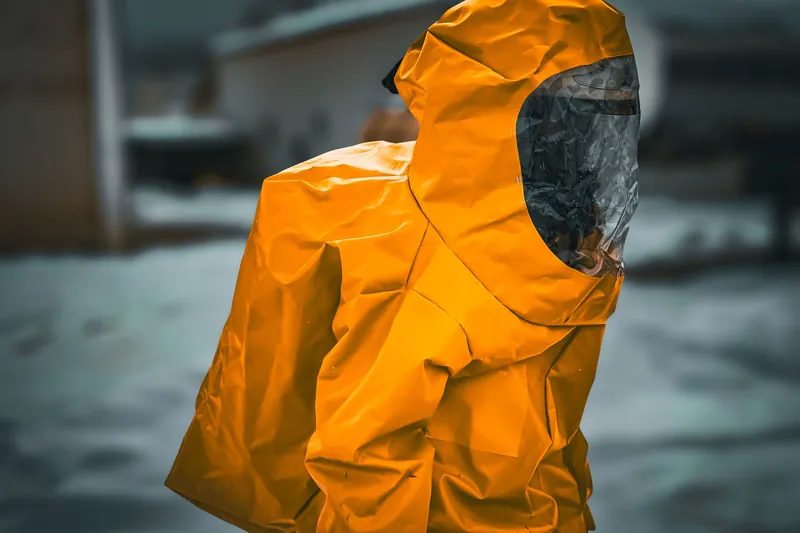
Removal and disinfection of blood, body fluids and other infectious material from any property.
See biohazard cleanup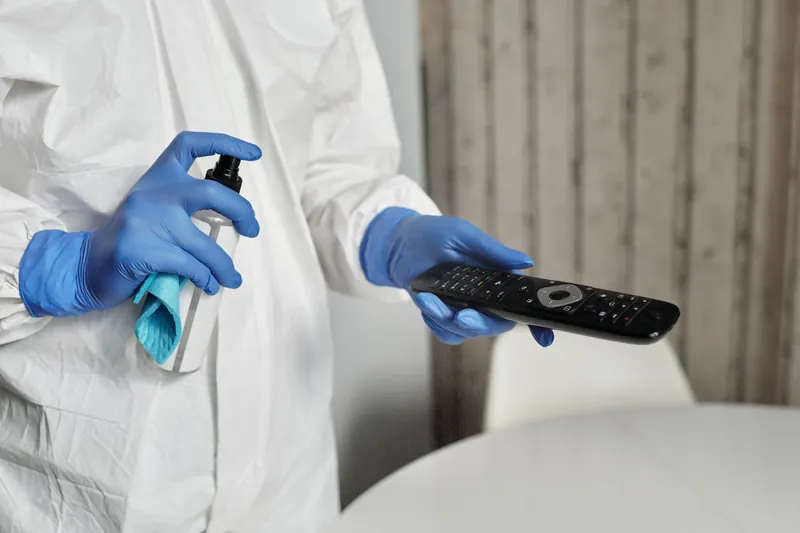
Biological remediation that removes contamination and returns a space to safe use.
See biohazard remediation
Sewage cleanup in a crawl space addresses contaminated soil and saturated insulation.
See crawl space sewage cleanup
Biohazard cleanup for hotels, Airbnb units and rental properties.
See hotel, airbnb and rental biohazard cleanupDead animals can become a biohazard if fluids from decomposition, waste, insects or bacteria spread into nearby materials. Risk increases if you cannot avoid touching the remains, do not know the species, find a decayed animal or see contamination in porous material. Do not let anyone or any pets enter before an assessment.
Odor duration cannot be fixed because it changes according to remaining contamination, the materials affected, ventilation, humidity and heat. After thorough source removal and cleanup, you should notice the smell decreasing. The area should be inspected again when odor persists because crews may have missed liquid, insulation, nesting debris or some of the source.
Cleaners can locate and remove animal remains hidden in walls, rooms, attics, vents or crawl spaces. For a live animal or one in a public place, local animal control may be able to help, but duties differ by area. Ask whether the scope covers waste disposal, cleaning contamination and creating access through the structure when any of those steps are required.
For removing a dead animal, Bob Vila and HomeAdvisor each list a common range of $150 to $250. How crews gain access may affect the work involved. Opening a wall, removing soiled insulation, cleaning a vent or treating persistent odor may involve work beyond basic removal, so ask what the quoted scope includes.
When you sweep or vacuum dried nesting debris or droppings, contaminated dust can become airborne because animal waste may carry germs. Avoid disturbing it without suitable protective equipment. To reduce dust and protect unaffected rooms, crews use damp cleanup techniques, careful removal and closed containers for disposal.
The first step is removing both the animal and any soiled material that is reachable. Crews then wash hard surfaces, apply disinfectant as appropriate and allow the area to dry. A targeted odor process or HEPA filtering may come next. Sprays and fragrances alone do not solve the problem because odor returns when fluid, soiled insulation or nesting material remains at the source.
You can request respectful, discreet dead animal removal and cleanup 24 hours a day, and crews use unmarked vehicles.